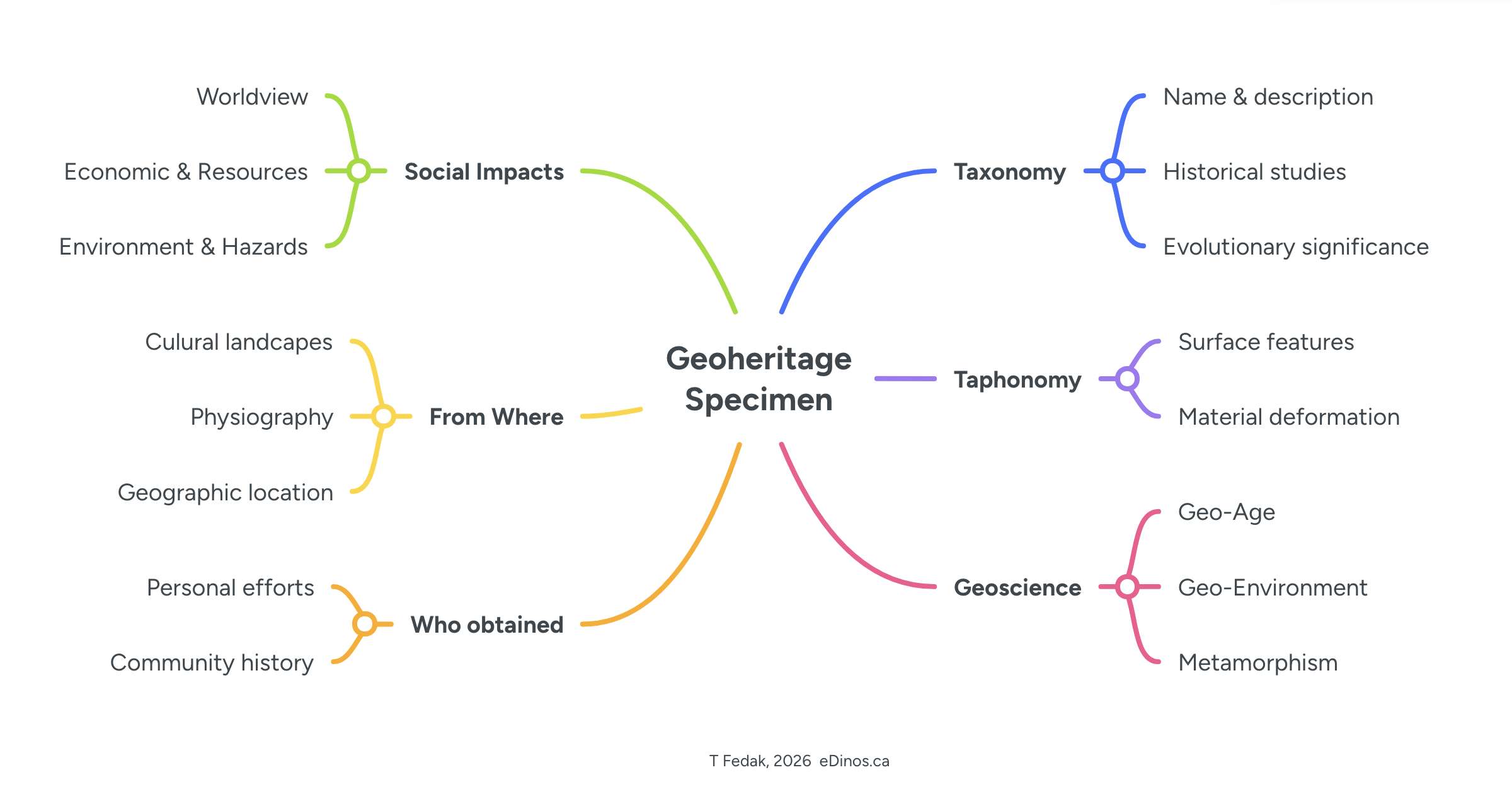
Appreciation of geology collections from a geoheritage perspective involves expanding the scope of significance beyond just geoscience. The history of the people and places that resulted in the collection are as significant as the geoscience, taphonomy and taxonomic details.
A geoheritage perspective provides opportunities to appreciate and value the cultural aspects of geology.
Who Obtained
Geoheritage collections are rooted in people. All geology knowledge and collections are a reflection of human effort and insight. Who was involved in exposing, preserving, and sharing a collection of specimens involves historical context of social and political agency. Individuals and societies invested effort and overcame challenges to obtain specimens. Specimens were assigned value by people with specific intentions.
The individuals involved in contributing to collections of geoheritage specimens have personal, family and social histories that reflect the geoheritage collection’s cultural context. Personal and social histories inform the richness of geoheritage collections and can enable or limit diverse social engagement.
From Where
Geoheritage collections are artifacts of specific geographic places, locations that have characteristics, which may be unique and time limited. Specimens might have been obtained from natural physiographic erosion processes, or in cultural landscapes including quarries, during construction, or other human activities. Where geoheriage collections were obtained matters for the cultural and geological context that the specimens represent.
Social Impacts
Specimens in geoheritage collections have made contributions to our past and current worldviews, economic and resources for society, and knowledge of environment and hazards. We know about and use resources in our world based on the study of geoheritage specimens, and geoheritage collections continue to offer opportunities for new studies and establishing new social impacts. Geoheritage collections are references that allow us to learn more about our world for the benefit of society.
Geoscience
Geoheritage collections are artifacts of geological history, and formed in specific ancient environments during ancient geological times and were exposed to a long history of metamorphic processes. We know about geological knowledge through the study of specimens, and geoheritage collections provide the material records of the ancient times and environments.
Taphonomy
Each specimen in a geoheritage collection has a unique taphonomy. It is a single record of a complex process of chemical and biological formation, decay and regeneration. Each specimen carries a record of the unique processes that it experienced.
Only by recognizing the unique features in each specimen can we recognize a wider pattern. Some fossil specimens have experienced scavenging or decay prior to burial, pieces are missing or damaged. It is through study of taphonomy that we see the individual tree and imagine the forest.
Taxonomy
Geoheritage collections are arranged in taxonomies, scientific or cultural orders that have a significant structure. It is through establishing a name and describing features of classes of unique specimens that larger patterns are recognized. Taxonomy provides a structure to recognize patterns and processes of change and evolution.
Geoheritage Collections
Each of these categories is important in recognizing the value of geoheritage collections. The UNESCO definition of word heritage, “what we inherit from the past, use and value today, and leave for future generations” helps to appreciate the importance of geoheritage collections is not just for geoscience, but also for the people and places that have contributed to our knowledge for the future.
At the Nova Scotia Museum there are several different geoheritage collections that can be traced to the founding of the museum. The museum was established in 1868, and the initial collection was developed on material from the Halifax Mechanics Institute, as well as material displayed at the international exhibitions in London (1862), Dublin (1865) and Paris (1867). A central figure in the assembly of the initial collection was Rev. David Honeyman, who became the museum’s first curator, from 1868 until his death in 1889. A geoheritage concept map provides a framework for the ongoing work to identify and describe these heritage collections.
Geoheritage Biographies
The geoheritage concept map also draws central attention to the people and institutions involved in the development and sharing of geoscience within society. Highlighting the untold stories of the people behind the collections provides a wider frame for understanding the diversity of social practice of geology. Sometimes, individuals contributed to geology but are not directly represented by specimens in a specific heritage collection. The stories of those who supported the activity of geology are also valuable.
Examples
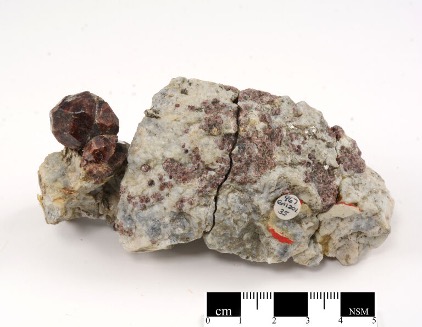
Fedak, T., 2025, Garnets from Shelburne: A Case Study in the Value of Geoheritage. Proceedings of the Nova Scotian Institute of Science (Volume 54, Part 1, pp. 5-11. https://doi.org/10.15273/pnsis.v54i1.12633
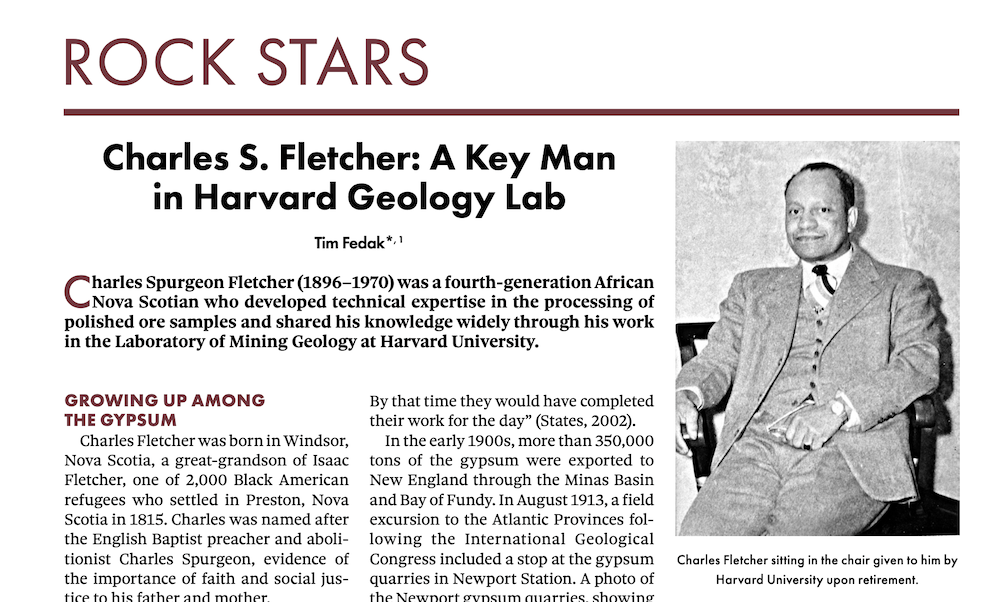
Fedak, T., 2024, Charles S. Fletcher: A Key Man in Harvard Geology Lab: GSA Today, v. 34, p. 18–20, https://doi.org/10.1130/GSATG401RS.1
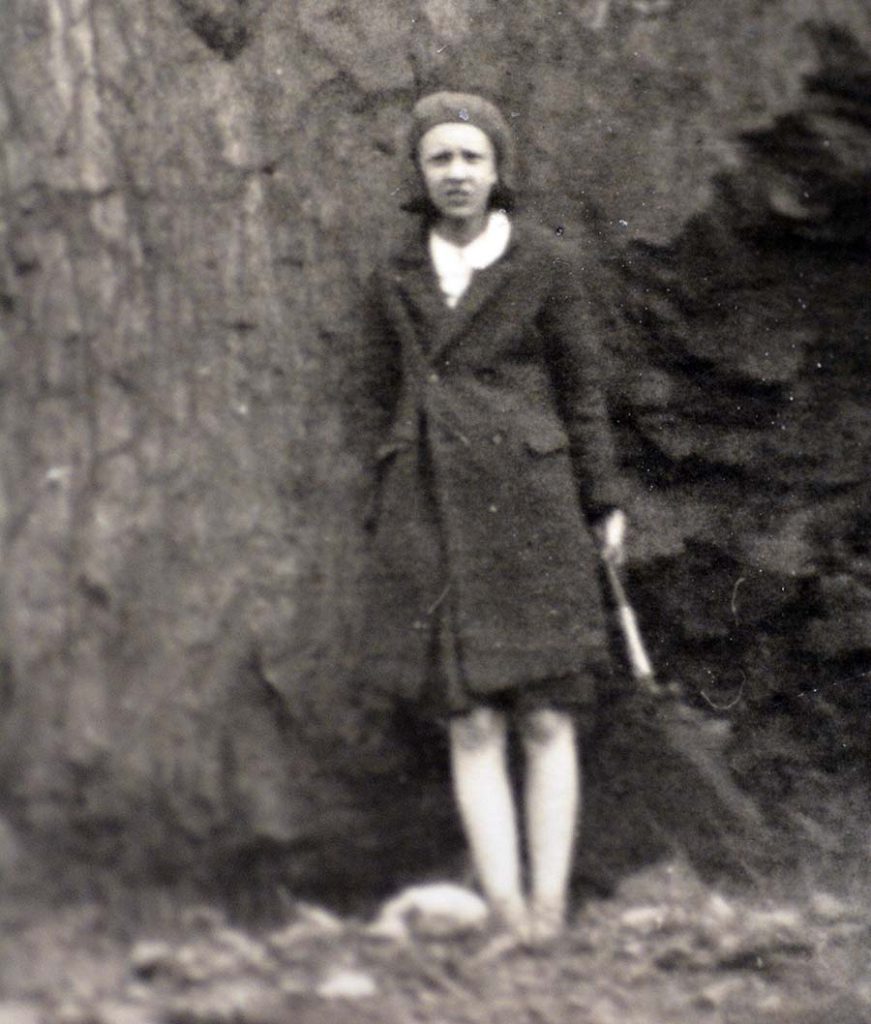
Fedak, T., 2021, Elizabeth Raymond King – A Geologist Inspired by Bay of Fundy Minerals and the Nova Scotian Institute of Science. Proceedings of the Nova Scotian Institute of Science Volume 51, Part 2, https://doi.org/10.15273/pnsis.v51i2.11161
Leave a Reply